
Do I Need My Architect During Construction?
You do not have to retain your architect throughout construction. For a complex architect-designed home, I generally recommend maintaining some level of architectural involvement until the building is complete.
Construction brings a constant stream of decisions relating to materials, structure, services, detailing, site conditions, substitutions and the way hundreds of individual components come together. A good builder will resolve many of these extremely well, while the architect brings detailed knowledge of why the house was designed the way it was and how one decision may affect another.
That knowledge can remain valuable long after the drawings have been issued.
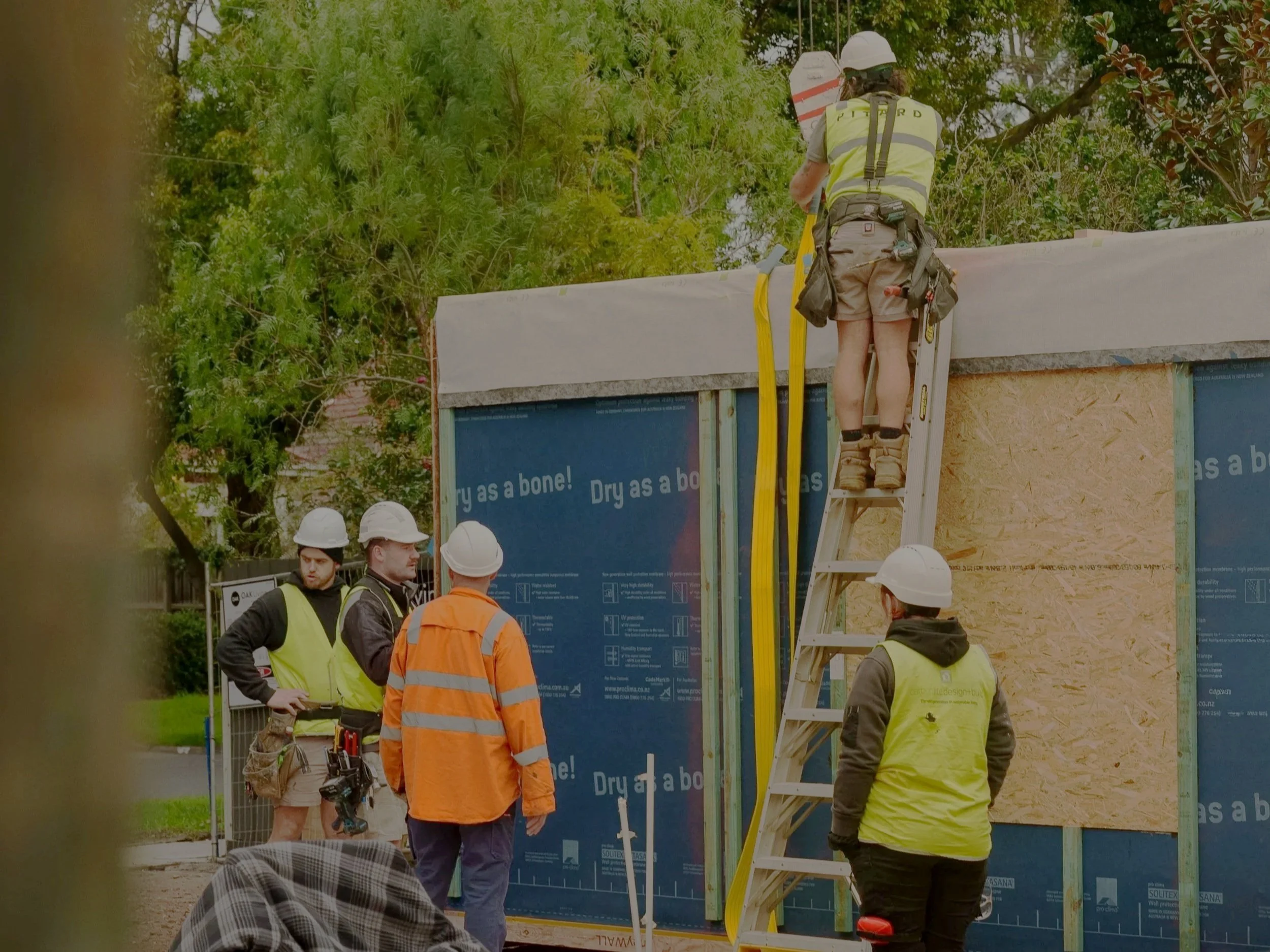
Why aren't the drawings enough?
Detailed documentation should resolve as much of the project as reasonably possible before construction begins.
It cannot predict every condition that will arise once work starts. A junction may need further resolution when several trades are occupying the same space. A supplier may discontinue a product. Existing conditions uncovered during a renovation may differ from the information available during design. Structural or services coordination may require a response to something that becomes apparent only on site.
The architect knows which ideas are fundamental to the home, where compromises have already been made and how apparently unrelated parts of the design connect. That context helps when decisions need to be made quickly during construction.
A good builder and architect contribute different knowledge
We actively involve builders early on many of our projects because their knowledge of construction methodology, sequencing, site logistics, detailing and cost is extremely valuable. Early Contractor Involvement also gives the builder a deeper understanding of the project before work begins.
That collaboration continues during construction.
A builder may identify a more efficient way to construct something, suggest an alternative product or find that a documented detail needs to respond to site conditions. Many of those suggestions improve the project.
The architect can assess those proposals with knowledge of the design history, client brief, consultant coordination, planning decisions and building-performance requirements. A seemingly simple alternative can sometimes affect several other parts of the home, so understanding the wider implications before proceeding is important.
Changes during construction should be avoided where possible
Clients sometimes want to change things once they see the home taking shape. That is understandable. A room feels different at full scale, a new product becomes available or something that seemed right on paper may be reconsidered once it becomes physical.
Where possible, I would avoid design changes during construction.
By this stage, decisions have usually been coordinated across architecture, structure, services, waterproofing, joinery, finishes, approvals and construction sequencing. Changing one item can disturb work already resolved elsewhere.
Moving a wall might affect electrical layouts, flooring, ceilings, joinery and structure. Changing a window could influence waterproofing, energy performance, cladding, structural openings and potentially approvals. A late material substitution may alter lead times, detailing and the work of trades that have already been programmed.
There can also be direct cost and time consequences. Completed work may need to be removed, materials reordered and trades brought back to site. Formal contractual variation procedures may also apply.
I want as many decisions as possible resolved during design and documentation, when changing something may involve revising a drawing instead of undoing physical work. When a construction-stage change is necessary, its wider consequences should be understood before anybody gives an instruction to proceed.
Doesn't the building surveyor check the work?
A building surveyor has an important statutory role during construction.
In Victoria, the building surveyor issues the building permit and carries out, or arranges, the mandatory inspections required by that permit. Their work focuses on compliance with relevant building legislation and the approved building work.
Architectural review focuses on the design itself: whether substitutions preserve the intended outcome, whether revised details continue to support the client's brief, and whether site decisions create consequences elsewhere in the architecture.
Those questions remain relevant throughout the construction of a substantial custom home.
What is Contract Administration?
Contract Administration is the most comprehensive construction-stage service we provide.
When Borland Architecture is appointed to administer the building contract, we carry out the functions assigned to the architect under that particular contract. These can include issuing architectural instructions, assessing variations, reviewing progress claims, considering extensions of time, inspecting the work and assessing when Practical Completion has been reached.
Although the client appoints and pays the architect, certain Contract Administration functions require us to act fairly and impartially. Progress claims, variations, extensions of time and completion are assessed according to the contract and the work itself.
For a client who has never administered a substantial building contract, this provides a structured process for dealing with decisions that can involve significant amounts of money and considerable contractual complexity.
Progress claims deserve proper attention
Progress claims on a substantial home can involve very large sums.
Under Contract Administration, where the contract assigns that responsibility to us, we assess the work completed against the contractual requirements before certifying the amount properly payable.
This gives the client a professional assessment of the claim rather than asking them to determine for themselves whether the relevant work has been completed and the amount claimed is justified.
What does site attendance involve?
Some clients want the architect to remain involved during construction without appointing us to administer the building contract.
Site attendance provides that lighter level of service.
Borland Architecture attends the project at agreed intervals to review the work from an architectural and design perspective, respond to design questions and discuss relevant issues with the builder. If something appears inconsistent with the documentation or design intent, we can raise it with the client and advise on an appropriate response.
Under this service, the client continues to manage the contractual relationship with the builder, including matters such as variations, progress claims and extensions of time.
This can work well where the builder is experienced, the documentation is comprehensive and the client is comfortable taking responsibility for those commercial and contractual decisions.
Construction is when the design becomes real
A substantial amount of thinking takes place before an architect-designed home reaches site.
The family brief has been developed, site opportunities explored, planning issues resolved, consultants coordinated, building performance considered and hundreds of detailed decisions made.
Construction is where those decisions become physical. Some details only become fully apparent once structure, materials and trades come together, and the quality of the responses made on site can influence both the appearance and performance of the finished home.
Continued architectural involvement allows those decisions to be considered with the original design intent still clearly understood.
Does every project need full Contract Administration?
No.
The appropriate level of involvement depends on the complexity of the project, the builder, the contract and the client's own experience and appetite for managing the process.
A relatively straightforward project with an excellent builder, comprehensive documentation and a client comfortable managing contractual matters may be well suited to periodic site attendance.
A complex custom home with substantial detailing, multiple consultants, high-performance construction and a client who wants professional administration of the contractual process provides a stronger case for full Contract Administration.
I would resolve this before the building contract is signed so everyone understands their responsibilities from the beginning.
What should you decide before construction starts?
Before signing the building contract, I would want the client to understand who will be responsible for:
responding to design questions from the builder
reviewing proposed substitutions and changes
assessing variations
reviewing progress claims
considering extensions of time
reviewing whether the work remains consistent with the documented design
assessing Practical Completion and outstanding items
The allocation depends on the contract and construction-stage service selected. Establishing it early gives the client, architect and builder a clear process once construction begins.
So, do you need your architect during construction?
For the substantial architect-designed homes we work on, I generally recommend continued architectural involvement through construction.
Full Contract Administration provides the most comprehensive service, including formal administration of matters such as progress claims, variations, time and completion. Site attendance retains architectural involvement while the client manages the contractual relationship directly with the builder.
After investing considerable time and money developing a home, I want the decisions made during construction to reflect the same level of care that went into designing it.